
The way we eat results from countless factors that interact “on the fly” in our daily lives, including, of course, the hunger and satiety mechanisms tied to psychological factors. Geographic, climatic, demographic, economic, and commercial factors also shape the availability of and access to food, as well as the choices we make about what we eat.
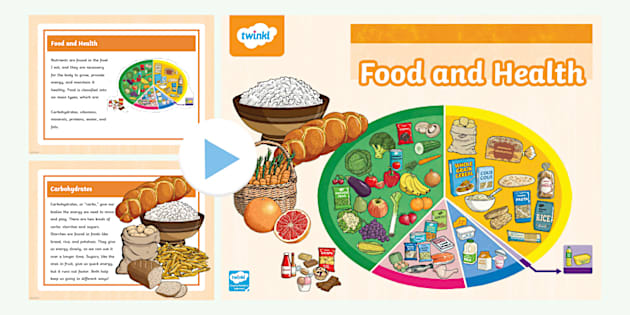
Why is food an important part of everyday life? Eating triggers physiological mechanisms that allow for digestion and the absorption, transport, and metabolism of nutrients; the result is known as nutrition, which is directly related to life and health. A “diet” is the set of foods and beverages consumed throughout the day. The essential substances found in the diet are known as nutrients; there are several dozen, and about 15 are vitamins and minerals important for health. Nutrients are ingested as chemical compounds such as sugars (starches), lipids (fats), proteins, fibre, and organic and inorganic salts, among others.
Minerals, like vitamins, are micronutrients that do not provide energy to the body; however, they play a fundamental role by participating in important metabolic functions. To obtain these compounds, we must consume organisms from other species, such as plants and meat, or animal secretions like milk. During digestion, these compounds are released and broken down into nutrients.Nutrients, in adequate amounts, are essential for a healthy life because they provide the energy needed for our activities. They also support the chemical, physiological, and metabolic processes our body needs to develop and survive. Therefore, we must remember that our food choices affect our present and future health.
It is important to emphasize that deviating from these proportions distorts the diet and has detrimental health consequences, potentially leading to malnutrition or, at the other extreme, overweight or obesity.
To achieve a good diet and maintain a healthy weight, the golden rule is to combine and vary foods as much as possible.
Most of us enjoy eating delicious dishes that ideally provide the aforementioned nutrients and also surprise us with diverse flavours, highly valued in world cuisine. Flavour is the sensation that food or other substances produce on the palate, combined with the sense of smell.
Why Is Food an Important Part of Everyday Life?
Why do we eat? Eating is defined by three cultural criteria: production, preparation, and consumption. For food to be consumed, it must be produced, and only those foods necessary for survival are produced or harvested, along with those that are part of the population’s culture. When food is prepared, it undergoes a series of physicochemical modifications, thanks to culinary techniques developed and passed down from generation to generation. In short, eating communicates.
Food is to live. We often find it difficult to see or accept some of our thoughts, behaviors, attitudes, or feelings because acknowledging them causes us suffering. This is normal and happens to everyone. That’s why, when we have a problem with food, it’s difficult to recognize it; we generally deny or minimize it. How can we tell if we have a problem with food?
We “need” to eat something, even when we’re not hungry.
We eat when we feel emotionally unwell:
– Sad
– Anxious
– Stressed
– Depressed
– Angry
– Bored
– Etc. We think about food a lot.
We neglect other activities for some reason related to it.
We unconsciously use it to avoid a situation or person that causes us suffering or that we can’t handle.
The most important thing is not to scold yourself for your problem or for lacking the skills to manage your situation.
Up until today, you did what you could.
What you thought was best.
Or the only thing you knew how to do.
But today is different.
It marks the beginning of a journey toward a better life.
Why is food an important part of everyday life? It is because if you feel you have no control over food, if you eat due to anxiety, stress, boredom, frustration, etc. To build a healthy, non-struggle relationship with food, follow the main guidelines for mindful eating.
How Understanding Food Changes the Way We Eat
A healthy diet should be sufficient, varied, and moderate. Before eating, take a deep breath, notice if you feel physical hunger or other types of hunger, and observe what your body needs.
- Eat your meals sitting at the table.
- Eat in a pleasant environment and avoid distractions such as your phone or computer.
- Slow down by noticing your chewing and setting your utensils down on your plate.
- Plan your shopping and cooking methods.
- Enjoy every bite and let go of your worries.
- Allow yourself to learn from mistakes with compassion.
- Improve your relationship with yourself and your body.
Behind The Bar Code by Paul Hesketh

On October 16, we celebrate World Food Day, a perfect opportunity to reflect on the importance of a balanced and mindful diet. To help you delve deeper into this vital topic, Behind The Bar Code by Paul Hesketh offers valuable insights into food and health.
Behind Every Barcode is a food education book of invention, accident, ambition, rivalry, empire, science—and sometimes, outright scandal. From tea plants smuggled across borders to chocolate bars created by chance, from fizzy drinks born of battlefield necessity to condiments shaped by the tides of colonial trade, the food in your kitchen cupboard has journeyed further and endured more twists of fate than you might ever imagine. This book examines how nutrition impacts our health, highlighting the importance of improving wellbeing. The author shares his experience helping people transform their health and live with more energy.
What Makes Everyday Foods So Fascinating?
There’s no doubt that following a healthy diet is very important for our overall health. Still, we often overlook other additional benefits, such as the fact that what we eat directly impacts our mood. The truth is, we can feel more positive and ready to face the day if we include certain foods in our diet that raise levels of serotonin and endorphins, known as ‘the happiness hormones’.
Do you know which foods these are? This direct connection between what we eat and how we feel is easy to observe: when we’re happy, our appetite tends to increase. Conversely, if we’re feeling negative or stressed, our desire to eat decreases; although there are also times when the opposite effect can occur, leading to overeating. Read Behind Every Barcode to discover how they influence us and show you which ones can improve your day and which ones can worsen it, so that you can plan your menu for International Day of Happiness.
Why This Book Is Worth Reading
Behind Every Barcode is a book thatwants you to feel good inside and out by improving your diet, your relationship with food, and better understanding your gut. The book addresses the common mistakes we make in the kitchen. The author guides us on a journey through everything surrounding food, the consequences, the food industry’s tricks to hide it, and the benefits of quitting. This book seeks to end, once and for all, the uncontrolled presence of sugar in our lives.
Behind Every Barcode aims to debunk misconceptions and provide clear, practical information, ensuring that by the end of the book you’ll have the knowledge you need to improve your food safety practices.
A book that perfectly combines scientific rigour with the confiding tone of a friend, capable of allaying our fears and debunking myths to give us understandable information and common sense.
Conclusion
If we want to improve our overall health, we need to improve the quality of our ingredients. This isn’t about a new diet or incorporating miracle foods, but rather about distancing ourselves as much as possible from the wide array of processed foods offered by the food industry and replacing them with real food: vegetables, fruits, fish, eggs, meat, nuts… To help us put these small changes into practice, Behind Every Barcode aims to answer these questions and offer practical nutrition solutions that support healthy development.