Savvy travelers don’t just explore the streets, plazas, museums, or shops of the cities and towns they visit; they also frequent markets to savor local ingredients and foods, as these spaces hold much of the people’s traditions and culture. Therefore, to witness how everyday food is made, markets are worth visiting, observing, and tasting.
Something similar happens with food factories, although most of the time they are not open to the public. When they do open their doors, they offer a truly magical experience. Anyone who has had the privilege of visiting a food manufacturing process plant will understand the charm of the industry.
Today, many food production companies share a common goal: to provide healthy products to consumers and maintain the highest quality and efficiency in their operations.
Food Manufacturing Process: Production That Makes It So Unhealthy
Industrial processing alters their structure, and, according to scientists, this affects how much we eat and the nutrients we absorb, among other negative impacts.Would anyone consume pre-digested food? It seems that’s exactly what we do every time we eat common packaged foods like bread, cereals, snacks, and frozen meals that have undergone refining, milling, cooking, melting, molding, extrusion, and packaging with additives.
From this chain of extreme food-manufacturing processes come foods that the body absorbs so easily they are essentially pre-digested. In fact, scientists have adopted a new name for these highly industrially manipulated foods: ultra-processed foods.
Scientific research is accumulating new evidence every day that the industrial processing of food modifies its effects on our bodies and determines its impact on our appetite, hormone levels, weight gain, and the risk of developing obesity and other chronic diseases.
Processed, ultra-processed, and… unprocessed?
Virtually all foods undergo some type of processing. Even bagged fresh vegetables, such as bean sprouts or salad greens, are washed, cut, and packaged by machines in processing plants before being shipped to points of sale. But ultra-processed foods are something else entirely: there, foods become mere ingredients in a completely new industrial product, with unusual combinations of flavors, additives, and textures, many of which do not exist in nature.
Health and Food Administrations around the world are finally acknowledging that ultra-processed foods are terrible for our health. Each industry maintains an inspection and development laboratory, comparable to a kitchen, where every ingredient, processing operation, and food planning is reviewed for inclusion in everyday home cooking, restaurant menus, and even industrial food production. In other words, technological growth has responded over the years to the demand for delicious, some even considered “gourmet,” nutritious, safe, convenient, and economical foods. In some cases, they systematize cooking recipes in a practical and safe way.
What Is the Food Manufacturing Process?
The food industry’s significant global impact makes it the most important and meaningful economic activity for humanity. Its influence is global, and a large part of people’s needs are related to food.
How everyday food is made refers to the techniques and methods used to transform raw foods into safer, longer-lasting, and more easily consumed products. This process includes a wide range of operations that can be physical, chemical, or biological, and is based on principles of science and technology to improve food preservation, safety, nutritional quality, and nutritional value, as well as to adapt them to market and consumer needs.
This is known as a food manufacturing process: techniques and manipulations that modify, to varying degrees, a food’s natural conditions to make it more attractive. Obviously, in today’s context, there are various processing methods and a wide range of machinery options used in the industry. Choosing one or the other will depend on the objectives you want to achieve with this type of work.
In the food industry, food engineeringmachines that assist in the preparation and preservation of raw materials are becoming increasingly prevalent in the production chain. Equipment designed for cutting broccoli, automatic potato washing machines, peelers… Food manufacturing processes have made many options available to companies, enabling them to perform these tasks more efficiently, quickly, and safely.
What does food processing consist of? As we have mentioned, any change of state that occurs in a fruit or vegetable can be considered processing of that raw material. Of course, in this sense, we must talk about different levels of intervention. And that is why the market also differentiates between processed and ultra-processed foods, which require greater intervention and are far removed from more natural consumption. Ultimately, the goal is to streamline certain steps in the pantry.
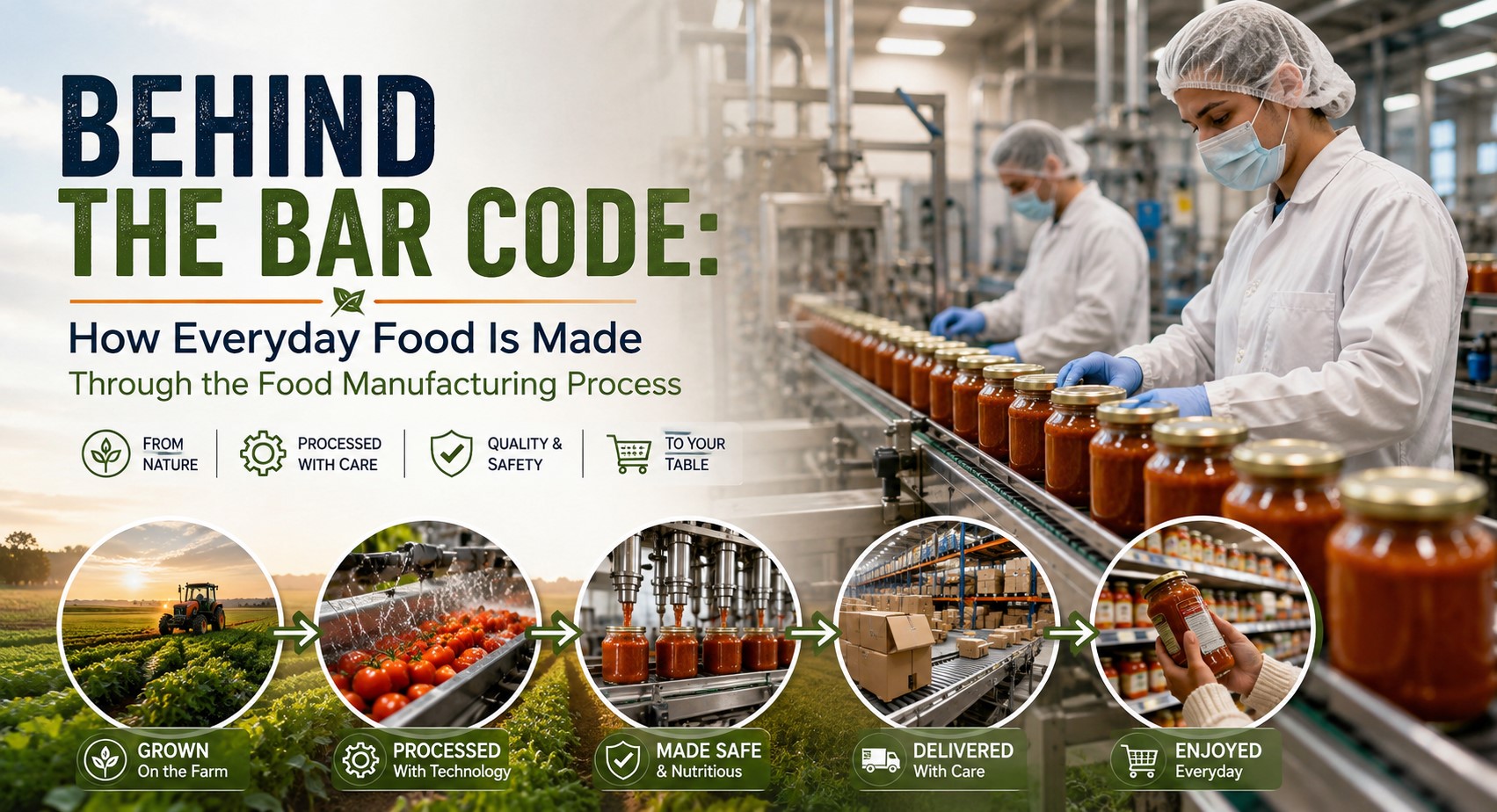
How Everyday Food Is Made: From Farm to Supermarket
Many of the products you consume every day had to travel hundreds of kilometers to reach the place where you bought them. This is known as the food supply and distribution system, which consists of six stages: origin, processing, storage/preservation, transportation/distribution, sale, and consumption.
For fruits, vegetables, and grains to reach your table, they must first be produced, and this is where we must acknowledge the work of the farmer and the methods they use. After harvesting, the crops must be sorted, placed in containers for transport, and then distributed.
For the vast majority of grains, such as wheat, corn, and oats, as well as oilseeds and other grains destined for the food industry, they are harvested, transported, and processed to produce flours, juices, preserves, oils, and many other products.
The supply and distribution system links
- Origin: This refers to the place and method of production.
- Processing: This is the manipulation that some foods undergo to improve their characteristics and increase their shelf life. Not all products are processed, as many are consumed fresh.
- Storage/Preservation: This refers to the temporary storage of food under the preservation conditions specified by the manufacturer/producer.
- Transportation/Distribution: This is the means that connects the links in the chain. Here, products must travel short or long distances to reach the places where final consumers buy them.
- Sale: This is the stage at which products are made available for purchase by buyers, such as supermarkets, markets, or wholesale centers.
- Consumption: This is the final destination of the products; it could be your home, markets, restaurants, schools, etc.
To reach our tables and keep us nourished, food must go through a long process that involves the work of dozens of people, including you when you shop at the supermarket.
Why Understanding Food Production Is Important
Understanding food production influences food security, ensuring availability, access, and nutritional quality worldwide. Food security refers to the right to physical, economic, and social access to adequate food in quantity and quality; that is, ensuring the availability of and access to safe food that meets people’s dietary needs.
Food production is a series of stages that use technologies specific to the food industry to transform agricultural and livestock raw materials into food products for human consumption. These stages, also known as unit operations, can involve physical changes, such as color selection, size reduction through grinding, and the removal or separation of water through evaporation (dehydration) or freezing, as well as chemical or biological changes, such as those that occur in baking, fermentation, cooking, or frying.
Scientific and technological advances in food production processes enable food to reach consumers safely and reliably, contributing to the reduction of public health problems.
Behind The Bar Code by Paul Hesketh

Discover the reality behind food production and manufacturing in Behind The Bar Code by Paul Hesketh, which can inspire you to improve your eating habits and enjoy a healthier life!
Behind The Bar Code is a book full of information and naturalness that addresses the common mistakes we make in the kitchen. The author aims to debunk misconceptions and provide clear, practical information, ensuring that by the end of the book you’ll have all the knowledge you need to improve your food safety practices.
What Readers Will Discover in Behind The Bar Code
Behind The Bar Code isa real culinary wake-up call, written by Paul Hesketh!He shares all his experience and knowledge to tell us what we do wrong at home when it comes to food, from its preservation to its handling and cooking.A book that perfectly combines scientific rigor with the confiding tone of a friend, capable of allaying our fears and debunking myths to give us understandable information and common sense. The author shares her experience helping people transform their health and live with more energy.
Conclusion
Ensuring a safe food supply for a constantly growing population is a major challenge for the food industry, and one that it faces every day. Some foods in our diet can be eaten raw, such as most fruits and vegetables. Consuming these foods provides numerous health benefits, so reducing the risk of foodborne illnesses from consuming contaminated foods is a crucial task for the food industry. Through the food manufacturing process, both foods and beverages are preserved for longer periods, their nutritional properties and overall quality are improved, and, above all, the risks of contamination are reduced or eliminated, from their origin until the products reach the consumer’s table.
Frequently Asked Questions
- What is the food manufacturing process?
Advances in our understanding of the food manufacturing process enable us to seek assistance and guidance to achieve better results. The result is improved performance, enhanced welfare and health, and greater respect for the environment.
- How is everyday food made?
Planning and Preparation: Good planning can save you time cooking in your stressful daily life.
Healthier Eating Made Easy: Food preparation makes it possible to eat healthily even when time is tight.
- What is Behind The Bar Code about?
In Behind The Bar Code, the author guides us on a journey through everything surrounding us, the consequences of its consumption in children and adults, the food industry’s tricks to hide it, and the benefits of quitting. He also proposes various plans and alternatives to begin a sweeter, healthier journey of living without fear.
- Who should read this book?
This book seeks to put an end to the uncontrolled presence of food hazards in our lives. When you devour the pages of Behind The Bar Code, you’ll think twice before regularly consuming certain ingredients that harm your brain, your metabolism, and your quality of life.